
KEYNOTE SPEAKER
(The order of speakers follows the alphabetical order of their last names.)
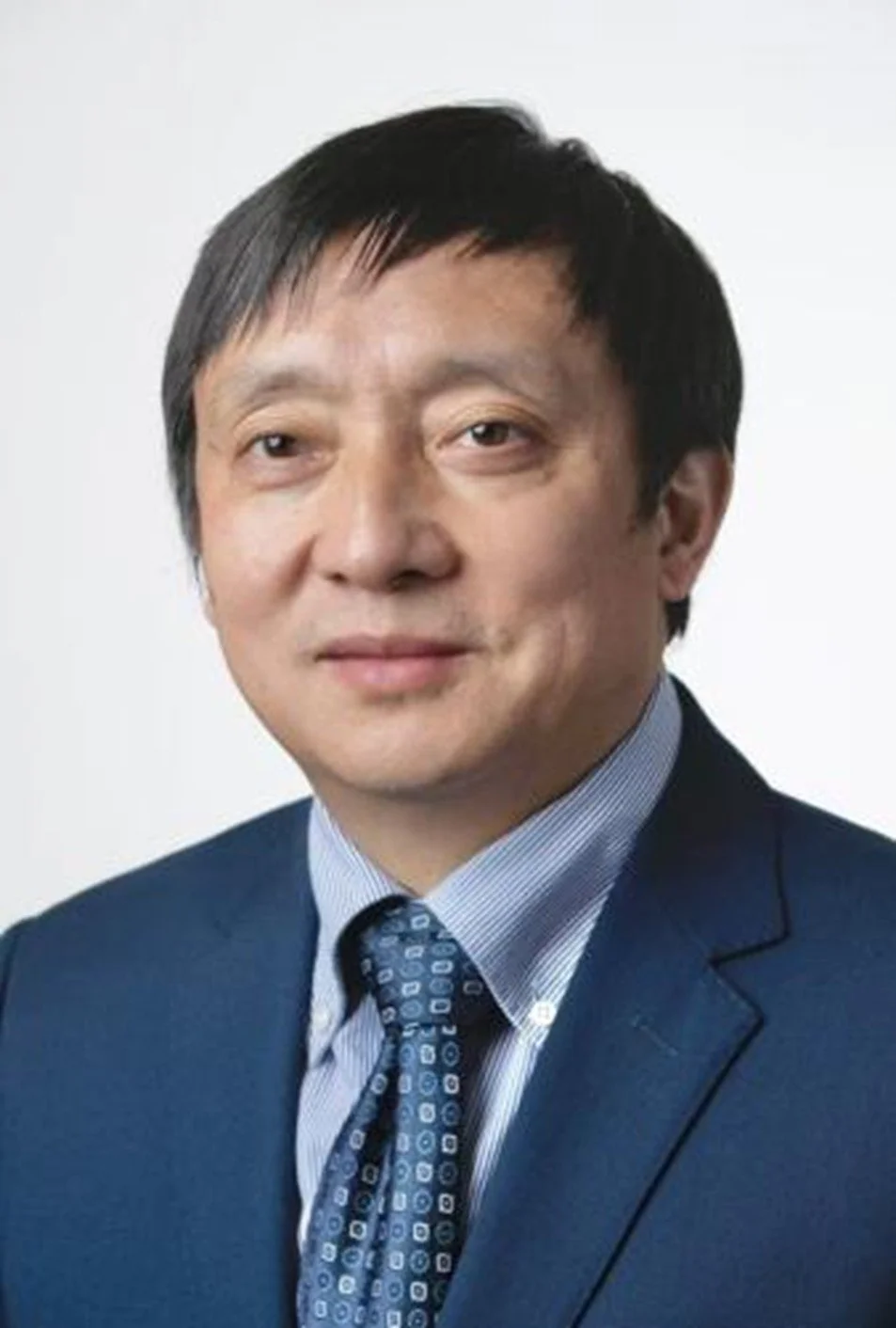
Title: Three-targeted principle to promote better alignment of research with industrial needs
Abstract: Almost the entire world is discussing how to advance research to better contribute to industry and practical applications. Various ideas have been proposed as potential solutions, yet they are highly diverse in fact. In this context, we in Shenyang University of Chemical Technology (SYUCT) have proposed a strategy known as the “Three-targeted Principle”, or simply the “3T Principle” to effectively align research with industry. The principle advocates researchers to adhere to the concepts of “Targeted R&D, Targeted transfer, Targeted service”, throughout the entire chain of innovation. It fully embodies the philosophy behind a successful industrial technology, which involves the shift from research innovation to practical application. As a consequence, The State Council of China has issued a document to promote this principle nationwide. Guided by this principle, SYUCT has also achieved rapid development over the past five years, as result from its great progresses in high-level research and effective industrial technology applications. This report presents several successful cases to illustrate the role of the 3T principle in promoting the better connection of research with industrial needs.
Presented by: Guangwen Xu
Is a Fellow of the Royal Academy of Engineering, Chair Professor and former President of SYUCT, and Director of a Ministry of Education Key Laboratory. He additionally serves as Vice Chairman of the Liaoning Provincial People’s Congress. His expertise includes fluidization and particle technologies, thermochemical conversion of fuels, gas-solid reaction analysis, flue gas denitration and syngas methanation. By far, he has published more than 310 papers and one monograph about fuel decoupling thermochemical conversion, applied for more than 100 patents including more than 15 international patents, and successfully developed and commercialized a few fuel conversion and environment protection technologies to utilize low-rank coal and biomass wastes like spirit lees and Chinese herb residues, clean flue gas (NOx removal) and characterize gas-solid reactions using micro fluidized bed (MFB).
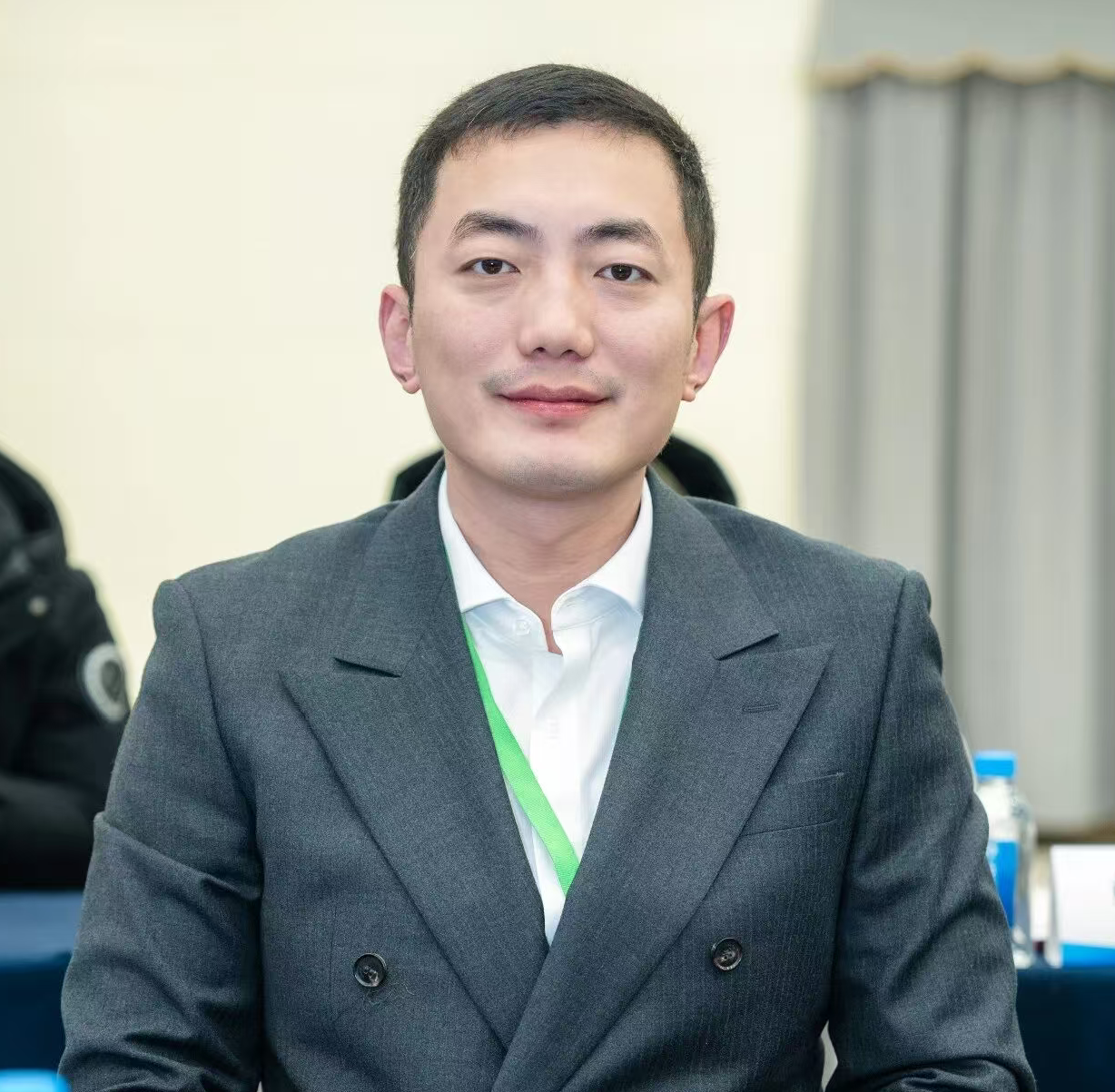
Title: Advanced Applicable Technologies and Engineering Cases for Industrial Wastewater Treatment
Abstract: This presentation focuses on three major refractory industrial wastewaters: mine wastewater, fluorine-containing chemical wastewater and semiconductor wastewater. It summarizes their common problems such as complex water quality, high fluoride and refractory pollutant content, unstable effluent compliance and high treatment cost. Based on the speaker’s experience and the company’s engineering practices, five core treatment technologies and typical engineering cases are introduced. The paper also analyzes the challenges of current technologies and prospects future development trends, providing a reference for efficient and low-carbon industrial wastewater treatment worldwide.
Presented by: Yuan Fu
Serves as the Chairman of the CCTEG Hangzhou Research Institute, Yuan Fu is a recipient of the Sun Yueqi Youth Science and Technology Award. He has dedicated his career to the advancement and implementation of coal mine safety and intelligent green mining technologies.
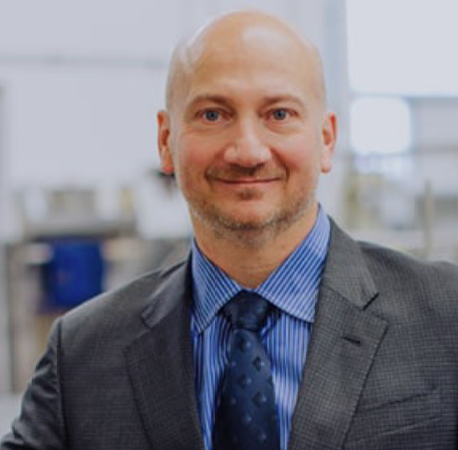
Title: Infrastructure and Mine Ground Support Systems: Materials, Design, and Sustainable Applications
Abstract: This presentation outlines PSI systems that have evolved over years through research and field applications with specific case studies in industry applied examples in pavement design, structural asset management and load management as related to strategic infrastructure (e.g., mine tailings repurposing for structural backfill, cementitious shotcrete materials, and water inflow management). The presentation will also outline a framework of the critical role proactive academic institutions can engage in and benefit from the future of economic prosperity through research, leadership and scholarly work. A new business model that provides direct and meaningful benefit to everyone is achievable through overhaul of traditional approaches.
Presented by: Curtis Berthelot
Dr. Berthelot is the President and Chief Executive Officer of the PSI Group of Companies and provides overall corporate and technical leadership. Dr. Berthelot is a professional engineer with over 25 years’ experience in applied mechanistic materials science used in mining and pavement infrastructure asset design and management applications. Dr. Berthelot has dedicated his career to developing pragmatic mechanistic based materials characterization protocols and numerical modeling systems that help transportation infrastructure and mining engineers make better technical and economic decisions with regards to sustainable infrastructure.
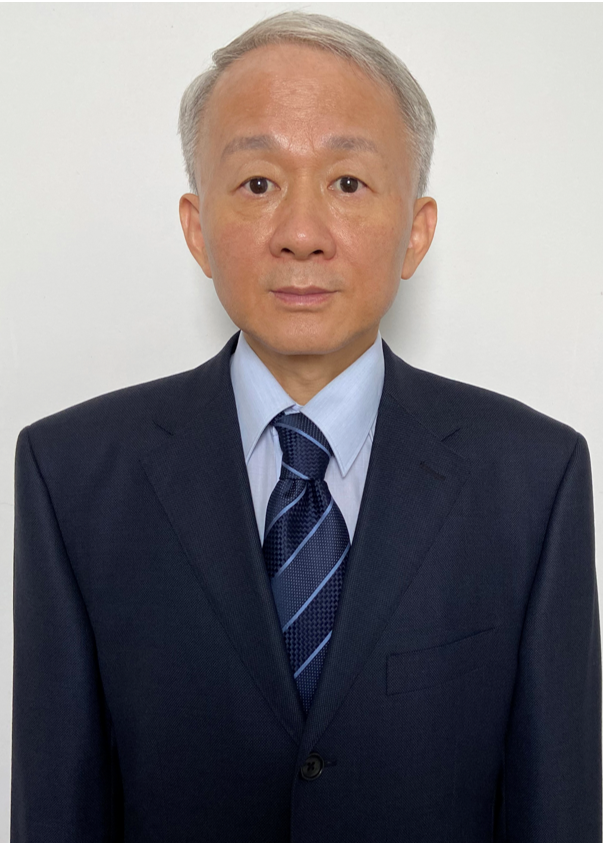
Title: Green Low-Carbon Innovation by Energy Enterprises in the Dual Carbon Era
Abstract: This presentation analyzes Shandong Energy Group’s green transformation within China’s “Dual Carbon” framework. By restructuring traditional sectors and accelerating renewable integration, the Group has effectively decoupled industrial growth from carbon intensity—offering a valuable reference for global energy firms. Additionally, the presentation highlights opportunities for China-Canada collaboration in clean technology and sustainable policy, showcasing how corporate innovation can facilitate mutually beneficial international partnerships.
Presented by: Wei Li
The party Secretary and Chairman of Shandong Energy Group

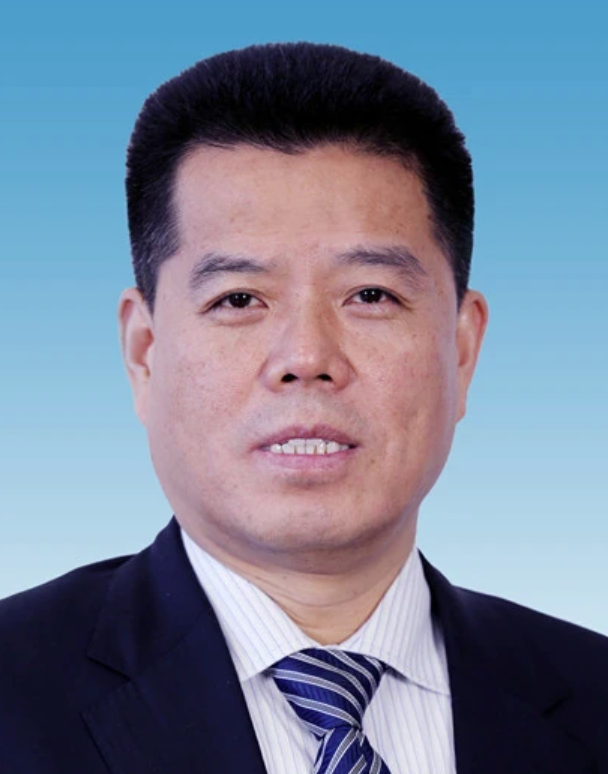
Title: Efficient Conversion of Biomass into High-Value Products via Hydrothermal Liquefaction and Catalytic Upgrading
Abstract: Catalytic hydrothermal liquefaction presents an environmentally conscious method for transforming biomass into various fuels and chemicals. Lignin's complex structure poses utilization challenges. Here we proposed a microwave-assisted solvothermal/hydrothermal liquefaction system to facilitate effective fractionation. Microwave irradiation enables rapid lignin depolymerization, while in situ hydrogenation upgrades the product to low-oxygen hydrocarbon fuels. Furthermore, separated lignin is engineered into a carbon-based catalyst for converting biomass-derived sugars into valuable organic acids. This research showcases an efficient, low-carbon strategy for biomass valorization, emphasizing the importance of catalysis in sustainable biorefinery practices.
Co-Presented by: Zhen Fang
Is a Professor and founder of biomass group at Nanjing Agricultural University. He is the inventor of “fast hydrolysis” process. He is Editor-in-Chief of Springer Book Series – Biofuels and Biorefineries, Elected Fellow of the Canadian Academy of Engineering (2021), Associate Editor of Biotechnol Biofuels, and Associate Editor of J Supercrit Fluid (2018-20). He is also editorial (advisory) board members of Biofuel Bioprod Bior (2012-18) and Energy Sustain Soc. Prof. Fang is specializing in thermal/biochemical conversion of biomass, nanocatalysts synthesis and their applications, pretreatment of biomass for biorefineries, biodiesel and supercritical fluid processes. He obtained his PhDs from China Agricultural University (Agricultural Engineering, Beijing) and McGill University (Materials Engineering, Montreal) as well as received further postdoc training in Chemical Engineering in Spain (Marie Curie Fellowship, Universidad de Zaragoza). He is listed in the “Most Cited Chinese Researchers” every year from 2014 to 2024 (Elsevier-Scopus).
Yang Cao
Serves as an Associate Professor at Nanjing Agricultural University. Specializing in biomass catalytic conversion, she has dedicated her research to the production of value-added chemicals and the development of biomass-derived carbon materials for environmental and energy applications.
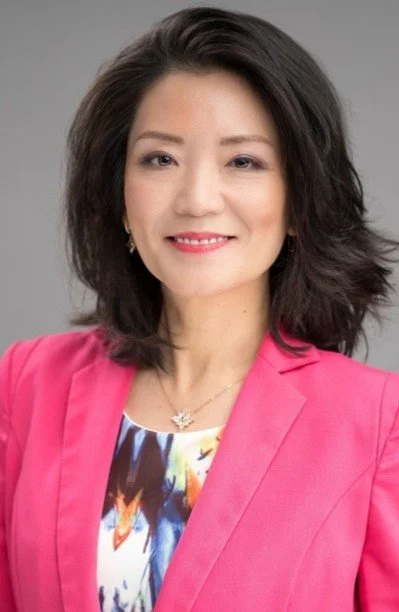
Title: Driving Clean Energy Innovation Through Collaboration
Abstract: Rapid growth in electricity demand, driven by data centre expansion and digital infrastructure, is placing increasing pressure on global energy systems. At the same time, geopolitical uncertainty and evolving energy priorities are reshaping how utilities, governments, and industry approach energy security, reliability, and system resilience. In this context, clean energy innovation is becoming a strategic necessity and a significant opportunity for cross-sector collaboration. This presentation will examine how these converging forces are reshaping the energy landscape, creating opportunities to accelerate clean, reliable, and affordable energy solutions. Geri will also provide an overview of Alectra’s GRE&T Centre, a utility-embedded innovation hub advancing solutions in grid modernization, distributed energy resources (DERs), and artificial intelligence. These capabilities are focused on enhancing reliability for our customers and communities, and on how the GRE&T Centre is achieving this through partnerships and collaboration.
Presented by: Geri Yin
Vice President, GRE&T Centre (Green Energy and Technology Centre) | Alectra Inc.
Geri is a recognized thought leader with more than 25 years of experience in the energy sector. As Vice President of the GRE&T Centre at Alectra Utilities., she leads strategic innovation and partnerships that advance the adoption of sustainable energy solutions and support utility transformation toward the grid of the future.
Under her leadership, the GRE&T Centre has received prestigious recognition from the Smart Electric Power Alliance (SEPA), the Association of Energy Services Professionals (AESP), Electricity Canada, and Professional Engineers Ontario (PEO). Before assuming her current role, Geri held senior leadership positions at Alectra Energy Solutions, Hydro One, and Scotia Capital, contributing to initiatives in business development, strategic planning, regulatory affairs, and mergers and acquisitions.
Geri is the recipient of the 2024 Clean50 Award, the Top 25 ESG Leadership Award, and the 2025 Outstanding Women Award. She also serves as a Board Member and Vice Chair of the National Electricity Roundtable.
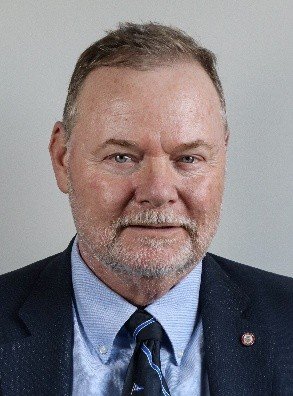
Title: On the Role of the Canadian Academy of Engineering in Society
Presented by: Robert Crawhall
Dr. Robert Crawhall, FCAE, is Fellow and CEO of the Canadian Academy of Engineering, a role he has held since 2019. Robert holds a Bachelor of Mechanical Engineering from McGill University, a Master of Electrical Engineering also from McGill and a PhD in EMI/EMC from the University of Ottawa. Over the past 44 years as a Professional Engineer in the Province of Ontario (P.Eng), he has had a varied career starting in industrial robotics and nuclear power systems before transitioning to the telecommunications sector where he held several leadership roles including running Canada’s largest private sector university collaboration program. After 18 years in the private sector, Robert moved into the not-for-profit sector where he ran industry/university innovation collaboration organizations including the National Capital Institute of Telecommunications (NCIT), the Ontario Research Network on Electronic Commerce (ORNEC), and the Québec nanotechnology program (NanoQuébec). After a period of consulting on innovation ecosystem development, Robert took over the Canadian Academy of Engineering, first as Executive Director and then as CEO. Robert is a certified project manager (PMP) and board director (ICD.D).